Services
Don't see what your looking for? Get in touch at info@thepelvicfloorclinic.ie
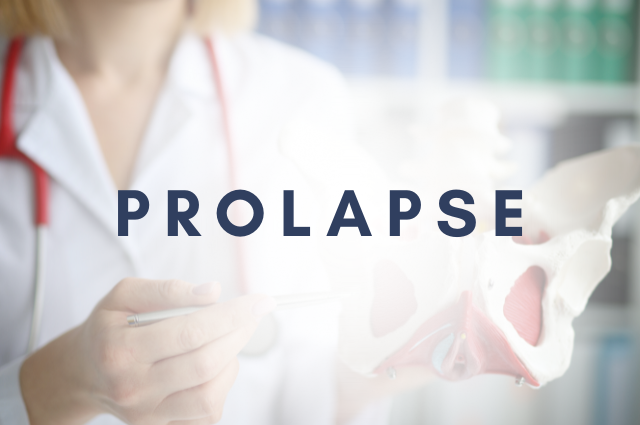
Physiotherapy can be very successful in reducing symptoms and preventing worsening of a prolapse. The main aim of physiotherapy is to improve the function of your pelvic floor muscles so that they can provide improved support to your pelvic organs. Sometimes provision of a pessary along with exercises and lifestyle changes are indicated. Even if you require surgery it is important that your pelvic floor muscles are working optimally to optimise surgical outcomes.

Whether you have had a section or a vaginal delivery. Engaging a physiotherapist to help you strengthen and rehabilitate your muscles that are stretched and damaged following pregnancy and childbirth is one of the best preventative measures against back, pelvic , sexual dysfunction and preventing leaking bladder and bowel issues in the future.

By strengthening the muscles that support the bladder and urethra, pelvic floor physiotherapy can treat problems with leakage.
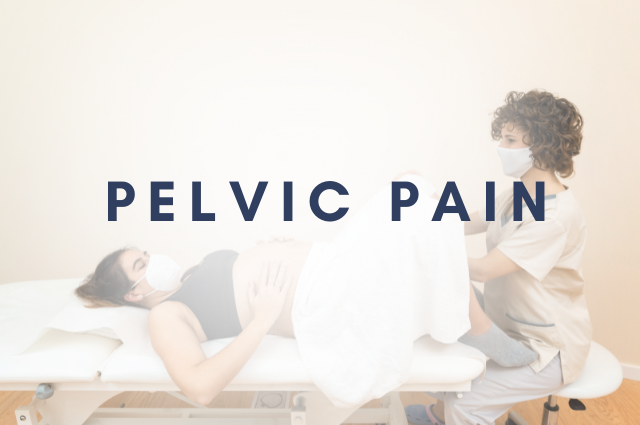
Physio can improve or resolve chronic and acute pelvic pain. Tailored treatment plan can include correction of dysfunction, including manual techniques, electrotherapy and exercise will help resolve symptoms.
Anal sphincter and pelvic floor exercise are an effective treatment for bowel incontinence. Tailored plans suited to each person which will improve quality of life.

Menopause has an adverse impact on overall musculoskeletal health. It is associated with osteoporosis, and sarcopenia, age related muscle wasting as well as loss of muscle function and known to be accelerated by estrogen deficiency. Physiotherapy can help improve bone density, strength and balance and maintain pelvic floor muscle function to reduce and prevent urinary and bowel control issues.
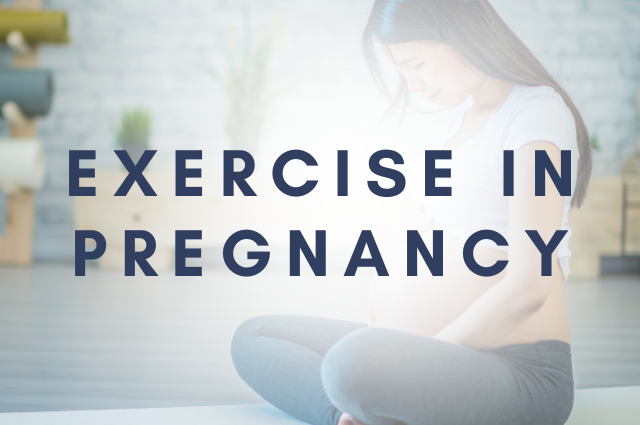
Low impact cardio plans are great during pregnancy, especially later in pregnancy as they will protect your joints and pelvic floor.

Dyspareunia or pain with intercourse is successfully treated with expert physiotherapists in womens health by using a combination of different manual techniques, peroneal massage, EMG biofeedback, vaginal dilators, pelvic floor rehabilitation, scar manipulation. Individual assessment and provision of a patient specific treatment programme is key to achieving positive outcomes.
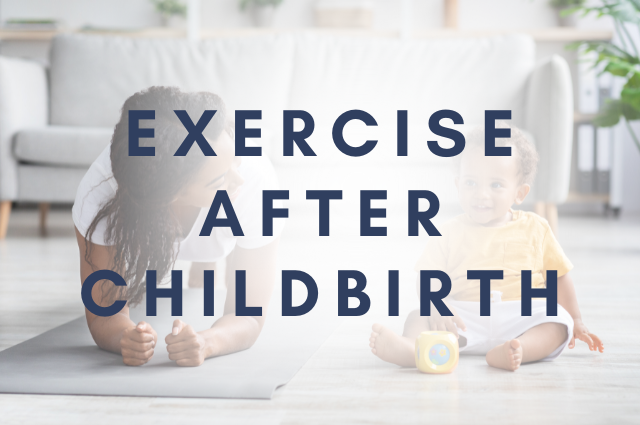
Exercise can help your body support itself again after childbirth. It also helps improve posture, general health and wellbeing.
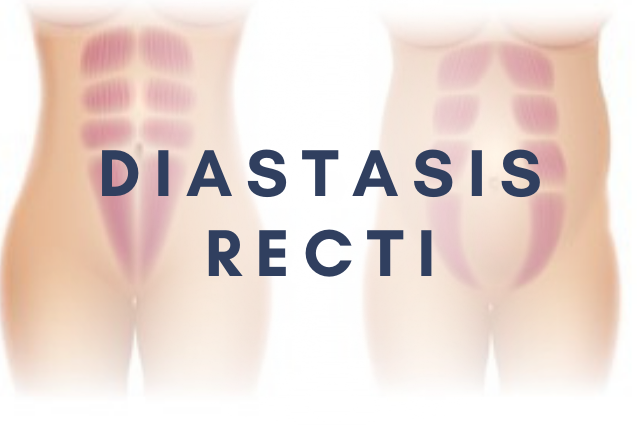

Pelvic floor rehabilitation and training for men undergoing/following prostatectomy can help prevent and reduce urinary incontinence, help with core support and bowel control.
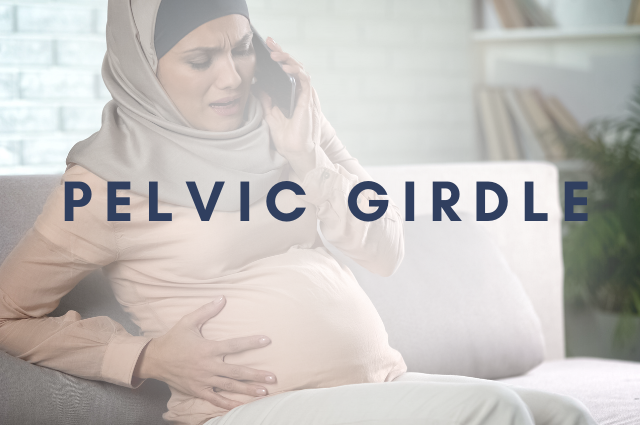
Is a common, painful and debilitating condition affecting the pelvic joints in pregnancy when treated as early with individualised pelvic physiotherapy has improved outcomes. Do not wait to have this treated!!